 Licensed, Bonded, and Insured since 1995



Signs Your Sewer Line Needs Repair
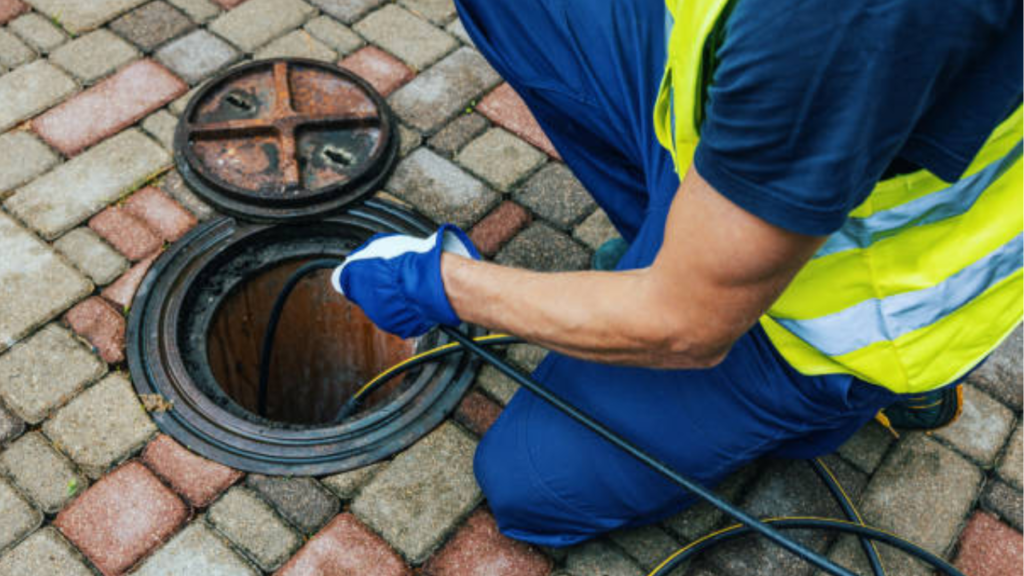
Signs Your Sewer Line Needs Repair Your sewer line is a crucial part of your home’s plumbing system, responsible for carrying wastewater away from your property. When it’s working well, you probably don’t think about it. But when problems occur, they can quickly turn into major issues, leading to expensive repairs and potential health risks. At Cassidy Plumbing Inc, we’re here to help you spot the warning signs that your sewer line may need repair. Don’t wait until it’s too late. Here are the key signs to watch for: Why Choose Cassidy Plumbing Inc. for Sewer Line Repair? When it comes to sewer line repair, trust experienced professionals who use advanced tools like video camera inspections for accurate diagnostics and efficient solutions. This technology helps pinpoint issues without unnecessary digging, saving you time and money. We offer a range of services, including trenchless repairs, pipe relining, and full replacements, designed to reduce disruption to your property while providing durable, long-lasting results. Our transparent pricing means you know exactly what to expect, with no hidden fees or surprises. We also provide 24/7 emergency services, so you’re never left dealing with a plumbing problem alone. With a customer-focused approach, we prioritize your satisfaction, offering affordable and stress-free service every time. Warning Signs Your Sewer Line Needs Repair! Slow Drains If you notice that multiple drains in your home are slow or clogged, it could mean there’s a blockage or damage in your sewer line. While a single slow drain might be a small issue, multiple slow drains often point to a bigger problem in the main sewer line. This is especially concerning if the issue persists after using drain cleaners or plungers. Unpleasant Odors Bad smells coming from your drains, yard, or basement are a clear sign that something is wrong with your sewer line or septic system. Sewer gases escaping from cracks or breaks in the line can create a strong, unpleasant odor that shouldn’t be ignored. If you notice a persistent sewage smell indoors or outside, it’s time to call a professional. Sewage Backups One of the most obvious signs of a sewer line issue is sewage backing up into your home. This can happen in toilets, sinks, or showers and is often accompanied by gurgling sounds. If you experience a sewage backup, it’s important to call a professional plumber right away. Ignoring this issue can lead to extensive damage and unsanitary conditions. Lush Patches in Your Yard While a green lawn is usually a good thing, unusually lush or soggy patches in your yard could mean your sewer line is leaking. Wastewater acts as a fertilizer, causing grass and plants to grow more quickly in the affected area. If you notice these patches, especially near where the sewer line runs, it’s a sign that your sewer line may be damaged. Cracks in Your Foundation A cracked or damaged sewer line can lead to water pooling around your home’s foundation, which may cause cracks or shifts over time. If you notice foundation issues, it’s a good idea to have your sewer line inspected to rule out any connection. Water damage from a leaking sewer line can gradually weaken your home’s structural integrity. Pest Infestations Rodents and insects are naturally attracted to the moisture and waste from a damaged sewer line. If you’ve noticed more pests around your home lately, it could be a clear sign that your sewer line is compromised. Rats, cockroaches, and other unwanted pests can easily enter your home through cracks or breaks in the sewer line, creating a serious health hazard. Increased Water Bills A sudden jump in your water bill without using more water could mean there’s a hidden leak in your sewer line. Even small leaks can silently waste a lot of water over time, leading to significantly higher costs. If your water usage hasn’t changed but your bill has unexpectedly increased, it’s worth thoroughly investigating your sewer line. Mold or Mildew Growth Excess moisture from a leaking sewer line can create the perfect environment for mold and mildew to grow rapidly. If you notice mold in areas like your basement, walls, or near plumbing fixtures, it’s time to investigate further. Persistent mold not only damages your home’s structure but can also pose serious health risks to your family’s well-being. Gurgling Sounds If you hear gurgling noises coming from your drains or toilets, it could indicate a blockage, buildup, or damage in your sewer line. These unsettling sounds occur when air is trapped in the pipes due to a partial clog, obstruction, or break in the line. Don’t ignore these persistent noises, they’re a clear sign that something is wrong. Sinkholes or Depressions in Your Yard A damaged sewer line can cause the soil around it to erode, leading to sinkholes, foundation issues, or depressions in your yard. If you notice uneven ground, foul odors, slow drainage, gurgling sounds, or areas that seem to be sinking, it’s a strong indicator that your sewer line may be leaking or broken. Old or Outdated Pipes If your home has older plumbing, especially pipes made of clay, cast iron, or Orangeburg, they may be more prone to damage. These materials deteriorate over time and are more likely to crack, collapse, or develop blockages. If your home is over 50 years old and has never had its sewer line replaced, it’s worth having it inspected. Tree Root Intrusions Tree roots are a common cause of sewer line damage. Roots naturally seek out water sources and can infiltrate your sewer line through small cracks or joints. Over time, they can grow rapidly and cause severe blockages or even break the pipe. If you have large trees near your sewer line, this could be a significant and costly potential issue. Don’t Ignore the Signs! Ignoring the warning signs of a damaged sewer line can lead to expensive repairs, property damage, and even health risks. If you’ve noticed any of the signs mentioned above, contact Cassidy Plumbing Inc. today. We’ll
How to Prevent Frozen Pipes in Winter
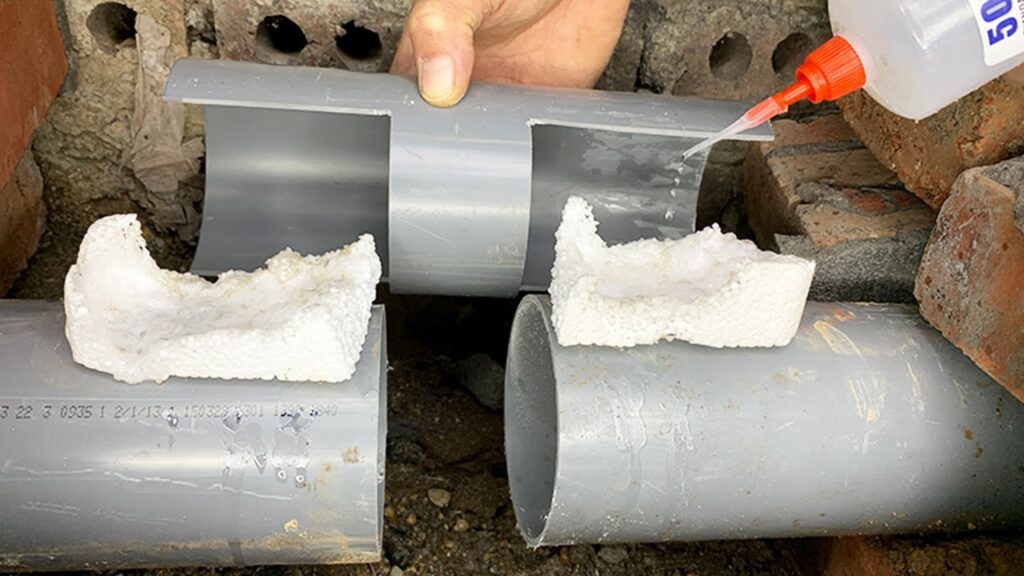
Say Goodbye to Frozen Pipes This Winter Don’t let freezing temperatures disrupt your home this winter! Cassidy Plumbing & Heating, Inc. provides expert solutions to protect your pipes from the cold. From insulating exposed pipes to winterizing outdoor faucets, our team keeps your plumbing safe and functional throughout the season. Facing an emergency? We’re here with fast, reliable service to handle frozen or burst pipes. Why Choose Cassidy Plumbing and Heating, Inc. for Your Plumbing Needs? At Cassidy Plumbing and Heating, Inc., we are committed to delivering dependable, top-notch plumbing services that keep your home secure and cozy, particularly throughout the winter season. With more than 30 years of experience in the industry, we have established a reputation for excellence in Carmel, NY, and the surrounding areas. Our team possesses the expertise to tackle any plumbing issue, no matter the size. We recognize that plumbing problems can occur unexpectedly, especially during colder months, so we provide swift, dependable service to handle emergencies and prevent potential issues. When you reach out to us, you can count on us to arrive promptly and resolve the situation efficiently. Whether it’s routine maintenance or urgent repairs, we offer all-encompassing plumbing solutions to maintain your home’s plumbing system. Whether you need pipe insulation, burst pipe repair, or a seasonal inspection, we have the tools and knowledge to take care of it. How to Prevent Frozen Pipes in Winter: Tips from Cassidy Plumbing & Heating, Inc. As winter arrives and temperatures fall, frozen pipes pose a significant risk for homeowners. When water inside pipes freezes, it can lead to cracks or bursts, resulting in expensive repairs and water damage. Cassidy Plumbing & Heating, Inc. recognizes the impact frozen pipes can have, which is why we’ve compiled valuable tips to help you avoid this issue during the winter months. Insulate Pipes in Vulnerable Areas Pipes in unheated areas like basements and attics are highly prone to freezing. Insulating them with foam or fiberglass helps retain heat, while heat tape provides extra protection against the cold. Let Faucets Drip When temperatures fall below freezing, letting a faucet drip can help prevent pipes from freezing. Moving water is less likely to freeze, especially in pipes along exterior walls, unheated areas, or spaces with poor insulation, reducing the risk of damage. Seal Gaps and Cracks Cold air can enter through gaps around windows, doors, and walls, risking frozen pipes. Seal cracks in your foundation and around vents with caulk or weatherstripping to protect your pipes and improve energy efficiency. Open Cabinet Doors During cold weather, open the cabinet doors under your sinks, especially those on exterior walls. This lets warmer air circulate around the pipes, preventing freezing. This is especially important for kitchen and bathroom sinks on cold outside walls. Maintain a Consistent Temperature Maintain a consistent temperature in your home, especially in unheated or rarely used areas. Turning down heat or when you’re away can cause pipes to freeze quickly. Set your thermostat to at least 55°F to prevent freezing. Disconnect Outdoor Hoses Before winter, disconnect outdoor hoses from faucets and drain them. Leaving hoses attached can trap water in pipes, causing them to freeze and burst. If you have outdoor faucets, shut off the water supply and drain the lines. Install a Pipe Heating System For vulnerable areas of your home, consider installing a pipe heating system. These systems automatically activate when the temperature drops, preventing pipes from freezing. Contact Cassidy Plumbing and Heating, Inc. to learn more. Regular Plumbing Inspections Prevent frozen pipes with regular plumbing inspections. Have your system evaluated by a plumber before winter. A trained plumber can spot weak points, like uninsulated pipes, at risk of freezing and bursting. Know the Signs of Frozen Pipes Watch for signs of frozen pipes, such as low pressure, frost on pipes, or strange smells from faucets. If water stops flowing or flows slowly, your pipes may be frozen. Contact a plumber immediately to prevent damage. Contact Us Today to Schedule Your Winter Plumbing Check-Up! Schedule your winter plumbing check-up with Cassidy Plumbing and Heating, Inc. today! Our experts will inspect your pipes and plumbing system to prevent issues like frozen pipes and expensive damage. Contact us now to get your home prepared for the winter season! CALL US NOW Customer Stories! Customer Reviews and Testimonials Signs of Frozen Pipes: Frozen pipes can lead to serious damage if not addressed quickly. It’s important to recognize the warning signs early to prevent costly repairs. Here are three common indicators that your pipes may be freezing: Unusual Odors from Faucets Frost on Pipes Unusual Odors from Faucets If you notice a significant decrease in water pressure or no water coming from your faucets, it could be a sign that the pipes are frozen. This is especially common in areas that are poorly insulated or exposed to cold temperatures. Visible frost or condensation on exposed pipes is a clear sign that the water inside is nearing freezing point. This often happens in areas like basements, crawl spaces, or under sinks near exterior walls. If you smell a strange odor, such as musty or sewage-like smells, coming from a faucet or drain, it may indicate that water is not flowing properly due to a frozen pipe, potentially causing stagnant water to build up in the system.