In some situations, a slight burning smell is completely normal. For example, if you turn on your furnace for the first time after months of inactivity, dust that has collected on internal components may burn off. This odor usually disappears within a few hours.
However, if the smell is strong, persistent, or accompanied by unusual sounds or performance issues, it could indicate a more serious problem.
Common Reasons Your HVAC Unit Smells Like Burning
Dust Accumulation on Heating Components
One of the most common causes of a burning smell is dust buildup. During warmer months, dust can settle on the heat exchanger, burners, or heating elements. When the system is turned on, the dust burns away, creating a temporary odor.
Signs:
- Occurs at the beginning of the heating season
- Smell fades after a few hours
- No visible smoke or performance issues
Dirty Air Filter
A clogged air filter restricts airflow and can cause your HVAC system to work harder than necessary. Reduced airflow may lead to overheating, which can produce a burning smell.
Signs:
- Weak airflow from vents
- Higher energy bills
- System running longer than usual
Replacing your air filter regularly can prevent this issue and improve system efficiency.
Electrical Problems
Electrical issues are one of the most serious causes of a burning odor. Worn wiring, damaged electrical components, or overheating motors can create a sharp burning smell that resembles melting plastic.
Signs:
- Strong electrical odor
- Flickering lights when HVAC runs
- System shutting off unexpectedly
If you suspect an electrical problem, turn off the system immediately and contact a professional HVAC technician.
Overheating Blower Motor
The blower motor is responsible for circulating air throughout your home. If it becomes overheated due to age, lack of maintenance, or mechanical failure, it can produce a burning smell.
Signs:
- Burning odor near vents
- Reduced airflow
- Unusual humming or grinding noises
Belt Problems
Older HVAC systems may use belts that wear out over time. A slipping or damaged belt can create friction, resulting in a burning rubber smell.
Signs:
- Burning rubber odor
- Squealing noises
- Reduced system performance
Debris Inside the HVAC System
Leaves, insects, or other debris can sometimes enter outdoor HVAC units or ductwork. When exposed to heat, these materials can produce unpleasant burning odors.
Signs:
- Musty or burning smell
- Restricted airflow
- Unusual noises
What Should You Do If Your HVAC Smells Like Burning?
If you notice a burning smell:
- Turn off the HVAC system if the odor is strong or unusual.
- Check and replace the air filter if it appears dirty.
- Inspect vents for blocked airflow.
- Look for visible smoke or signs of electrical damage.
- Schedule a professional inspection if the smell persists.
Ignoring a burning odor can lead to more extensive damage and potentially create safety hazards.
When to Call an HVAC Professional
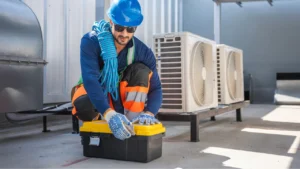
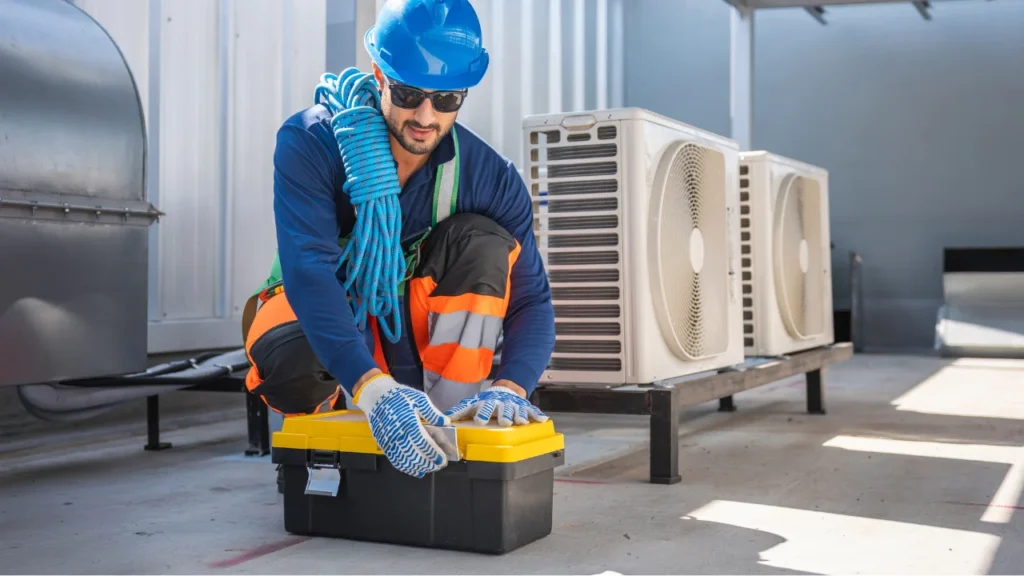
You should contact an HVAC technician immediately if:
- The burning smell lasts more than a few hours
- You notice smoke
- The odor resembles burning plastic or electrical wiring
- Your system stops heating or cooling properly
- Circuit breakers trip repeatedly
Professional diagnosis can identify the root cause and prevent further damage to your HVAC system.
How to Prevent Burning Smells in Your HVAC System
Regular maintenance is the best way to avoid unexpected HVAC problems.
Preventative Tips:
- Replace air filters every 1 to 3 months
- Schedule annual HVAC inspections
- Keep outdoor units free of debris
- Clean vents and registers regularly
- Address unusual noises promptly
Routine maintenance helps improve efficiency, extend system lifespan, and reduce the risk of costly repairs.
Final Thoughts
If your HVAC unit smells like burning, the cause may be as simple as dust burning off after months of inactivity or as serious as an electrical malfunction. Paying attention to the type of smell, how long it lasts, and any additional symptoms can help determine whether immediate action is necessary.
When in doubt, it is always best to have a licensed HVAC professional inspect the system. A quick diagnosis by Cassidy Plumbing and Heating today can prevent a much larger repair tomorrow.