

Lorianne Rivas
2 months ago
Mike M. Is great, very knowledgeable.

John Cecchetelli
2 months ago
I walked into Cassidy plumbing and heating to ask about our water heater that started to leak Pat the owner came out and talked to
me about it and said he would have someone come over to look and see About an hour 2 very nice guys came over and found the tank was leaking. They said they could same day gave me the price and I agreed they went to work Pat even stooped by with the tank and checked on everything Great bunch of guys First time using I was very happy
me about it and said he would have someone come over to look and see About an hour 2 very nice guys came over and found the tank was leaking. They said they could same day gave me the price and I agreed they went to work Pat even stooped by with the tank and checked on everything Great bunch of guys First time using I was very happy

Dean T
2 months ago
Had to replace outside water hose bib since this cold winter caused damage. Mike from Cassidy Plumbing was very polite and knowledgeable. He quickly was able to locate the indoor shut off valve that I could never find to the hose bib. He replaced my damaged bib and now that I know where the shut off valve is located, I can now winterize it properly to avoid any possible damage or leaks. He also pinpointed some other concerns to my indoor pipes and made suggestions to repair later on. There was no sales pressure and when I am ready to use them I will definitely call again!!

Jesse Conklin
2 months ago
Went the extra mile and had me up and running in no time! Kind, very knowledgeable and extremely talented. Would highly recommend hands down!!!

Roman Kopinets
2 months ago
Will was knowledgeable and professional ! He did extra job to make sure everything is OK!

Heather L
5 months ago
Very happy w the service Joe provided. He came to check out our job, gave us all the options he could provide, and serviced only the part we agreed to. I was very pleased with the breakdown of the estimate.
He fit a P trap to a new vanity that was a different height than the old configuration. We absolutely could not do it ourselves; Joe did it in less than 30 minutes.
I would recommend this service.
He fit a P trap to a new vanity that was a different height than the old configuration. We absolutely could not do it ourselves; Joe did it in less than 30 minutes.
I would recommend this service.

Eddie Soto
6 months ago
I had a leak in a crawl space in my basement...I always thought on supporting local businesses and found Cassidy Plumbing to be a business 10 minutes away. I made the call expecting the worse. Best decision i made. I made the call 2 days before Christmas and was told someone would be there the day after Christmas. What else could I say but okay. I got a call early Christmas eve and was told someone could be there early that day. Awesome! The plumbers name is Junior Pavilus. Now if your looking for professionalism, courteous, and great personality then this is the guy you want. He had an assistant with him. I don't remember his name but was also great! Sorry! Junior immediately located the problem and got to work. He also gave me some tips on how to keep up with my water filter. The price of the fix was better than I thought. Affordable and the job was done with no issue! Thank you Cassidy Plumbing for exceptional customer service and job performance!

Dolores Mcglasson
6 months ago
They were able to set up an appointment that worked well for me, were here when they booked it, their service man addressed all my issues, explained what was needed in a very positive way, and that’s why I always use local contractors, they’re the best

Jay Pantaleo
6 months ago
Complete rip off. They use pressure sales tactics to overcharge, sending 2 guys to do bare basic plumbing job on a toilet valve. After overcharging, can’t even finish the job correctly. What exactly did I pay for? Do yourself a favor, hire someone else.

Stephanie Nix
6 months ago
Joe came out to install my new gas stove. I was able to get an appointment promptly. He was thorough, neat and patiently answered all of my many questions. Highly recommend!

Sandra Hutter
6 months ago
We had an emergency situation with the toilet and supply line then 2men did a great job restoring our bathroom, they were neat and clean too. Great job. Thanks

Nalini Fernandes
6 months ago
We needed a new oil burner and Pat made the time to see us after hours to accommodate our work hours, explained the problem clearly, and replaced it quickly and professionally the next day.The work was high quality, the price was fair. Bobby the technician and his crew were excellent respectful young men and left everything clean and in place.It’s hard to find someone this reliable and honest—highly recommend to anyone who needs plumbing work done!

Cathy Davidson
6 months ago
I used Cassidy for 3 plumbing jobs in my home this year. Very satisfied with their work. The office staff is pleasant and helpful. Each tech sent to my home was friendly, thorough and professional. Would highly recommend.

vvernophotovideo
7 months ago
I used Cassidy plumbing to prep my tankless combo boiler for the winter. Unfortunately, although my system needed more work than I had originally planned, plumber Joe C was able to explain what needed to be replaced and why in great detail. He was able to make all the repairs and completely flush all the air out of the system. Something the last plumber didn’t bother to do. Although all plumbing services are expensive nowadays, I really like that they have set pricing for all of their repairs. For each individual part that you need replaced, they give you a flat rate which includes the part(s) and labor. Highly recommended I will be using Cassidy plumbing again in the future.

Creative Urns1
8 months ago
Joey was right on time, polite, he did a great job re-seating my toilet and eliminate the leak. 5 Stars *****, highly recommended! Call with confidence, fast friendly service!
Mike P, Danbury, CT
Mike P, Danbury, CT

Gamal Aly
9 months ago
This place has been a beacon of hope for my previously sick 12 thousand pound cast iron rusty pipes. I recently had Joe come by with his techs to replace the ancient pipes in my basement and to modernize them to properly vented PVCs and it's been a huge game changer. The water in my house actually drains instead of getting caught in oddly sized big>small>big pipe conversions. Who would have thought that plumbing to code is so much more efficient than going with the "playskool - my first drainage system" setup.
The first two pictures are the old lead pipe parts from ancient Rome.
The first two pictures are the old lead pipe parts from ancient Rome.

Timothy Booth
12 months ago
Cassidy Plumbing and Heating really came through. Had a last minute non-emergency. They were able to fit me in the next day first thing in the morning. Tommy was an excellent tech and did a thorough and clean job. New mixing valve, and cleaned up some old copper in the shower. He is friendly and explained all of it. Thanks!

Bob Jones
1 year ago
Great job knew want had to be done and did it in a professional manner

Ben Kistinger
1 year ago
Called and they were able to send Luis out the same day. He was very friendly and knowledgeable answering my questions and helped figure out the cause of our problem. Very happy with the service.

Stephen Suppo
1 year ago

Yudelka Guzman
1 year ago
I had an emergency and they came fast!!! Tom was very patient and helpful. I have a pretty small crawlspace and had a bad leak!!! Tom went and found the leak like if his life depended on it… they are very professional and I felt pretty confident and satisfied with the service. The price was actually less than what I was expecting! Cassidy plumbing will be my go to plumbing company. I will refer them to anyone who needs plumbing services.

jesse uhrman
1 year ago
Very professional and knowledgeable. Answered all my questions. Great experience.

Crystal McKenzie
1 year ago
Cassidy came out to help us with our garbage disposal drain lines. He was very honest and knowledgeable. His prices are very reasonable and he was so easy to schedule and work with. Thank you Cassidy! We will for sure be using you again if the need arises! We appreciate you!

Jude J
1 year ago
We were stuck! Our countertop and sink was coming and our plumber, scheduled to connect the faucet, drain, and filter, was ill. Cassidy Plumbing was able to help us, and was amazingly responsive. Bobby came when expected, did a fine job, and left everything neat and clean. They are not cheap, but if they were, we probably would have had to wait a week or more. They discounted the filter install, so that helped.

Beverley Joseph
1 year ago
I recently had a pipe leaking near my boiler and called Cassidy Plumbing for help. I was impressed by their prompt response—the service person arrived within an hour of my call. They quickly identified the issue and efficiently fixed it. The whole process was smooth and professional. I'm grateful for their excellent service and quick resolution. Highly recommend!

christopher hassan
1 year ago
I recently had the pleasure of working with Cassidy Plumbing and Heating, Inc. for a boiler service, and I cannot praise Joe Garcia and his assistant enough for their outstanding work. From the moment they arrived, it was clear that they were knowledgeable and dedicated to their craft.
Joe and his assistant performed a thorough inspection of my boiler and quickly identified several developing issues that required attention. What impressed me most was their approach; they were not pushy at all and took the time to explain the problems and potential solutions without applying any pressure to make immediate decisions. They provided on-the-spot estimates, which was incredibly helpful for my budget planning.
I also want to acknowledge their hard work—after diligently servicing the boiler, both men left covered in soot, a testament to their diligence and commitment to getting the job done right. It’s clear they take pride in their work.
Additionally, Bernadette's assistance in setting up the appointment was seamless and very friendly, making the entire process hassle-free.
Overall, I highly recommend Cassidy Plumbing and Heating, Inc. if you need boiler service. Joe, his assistant, and Bernadette exemplify excellent customer service and professionalism!
Joe and his assistant performed a thorough inspection of my boiler and quickly identified several developing issues that required attention. What impressed me most was their approach; they were not pushy at all and took the time to explain the problems and potential solutions without applying any pressure to make immediate decisions. They provided on-the-spot estimates, which was incredibly helpful for my budget planning.
I also want to acknowledge their hard work—after diligently servicing the boiler, both men left covered in soot, a testament to their diligence and commitment to getting the job done right. It’s clear they take pride in their work.
Additionally, Bernadette's assistance in setting up the appointment was seamless and very friendly, making the entire process hassle-free.
Overall, I highly recommend Cassidy Plumbing and Heating, Inc. if you need boiler service. Joe, his assistant, and Bernadette exemplify excellent customer service and professionalism!

James Patts
1 year ago
Cassidy Plumbing exceeded my high expectations based on their highly-rated reviews. Their team handled my urgent pipe repair with exceptional care, from the initial office contact (Kai) through completion (Richard). Every interaction was marked by genuine respect and professionalism – a refreshing change from my previous experiences with repair services. The quality work was fairly priced, making it easy to confidently recommend their services to anyone needing a reliable plumber in the area.

Alec Stephanov
1 year ago
Great company. Responsive, cordial, fast and very professional.

Janet Schwartz
1 year ago
Came right after call showed me the fix if it happens in the future

Barbara Wingate
2 years ago
George from Cassidy Plumbing was fantastic. Explained all that needed to be done. Worked in a timely manner and was very professional!

WalterJ
2 years ago
We found Cassidy Plumbing & Heating to be courteous, prompt and diligent from the initial call for setting up an appointment to getting the work done.

Gwen Mordecai
2 years ago
Cassidy Plumbing has great customer service and is very reliable. They always do their best to fix things efficiently and quickly. I highly recommend their services.

Leah Price
2 years ago
I put my faith in Google reviews when the plumber I was initially referred to was too booked up to see me soon enough (in fairness to them, i called at the end of the week and next week is Thanksgiving so there are fewer work windows) so I looked up another plumber in the area and chose the best reviewed one, which was Cassidy! They were able to come out the next morning and were upfront about all costs. Everyone from the woman I spoke to on the phone to the workers were friendly, honest, and knowledgeable and they worked efficiently. I'm very pleased 😊 I will call them again the next time I need a plumber!

Kandice Law
2 years ago
I’ve used them a few times for various kitchen sink issues (which they predicted but didn’t pressure me into fixing). They come out quickly, are up front about pricing and what needs to be fixed, and get it done quickly. They even send a text with a picture of who is coming to your house so you know who they are. I highly recommend!

Vicki Torres
2 years ago
Thank you for giving me peace of mind by fixing my plumbing issues correctly. Your technicians were knowledgeable professionals who were courteous and respectful. They listened to the concerns and their suggestions were much appreciated. Doug did an excellent job and so did Chris who was here for another issue. I like the quality work they both did. Thank you again for the excellent service.

Ralph Malph
2 years ago
1st time using Cassidy and not the last. My new plumbing and heating company. Dan is the man. His knowledge of my Navien is exactly what I needed. He is personable and explains in layman’s terms how my system works, what is a problem, and how to move foward. Thanks Cassidy and thanks again Dan!

Tony Desjardin
2 years ago
Short notice. Great job thanks.

john johnson
2 years ago
This was an evening emergency call to an answering service. I was quickly called back by Cassidy Plumbing and informed of response and fees which I agreed to.
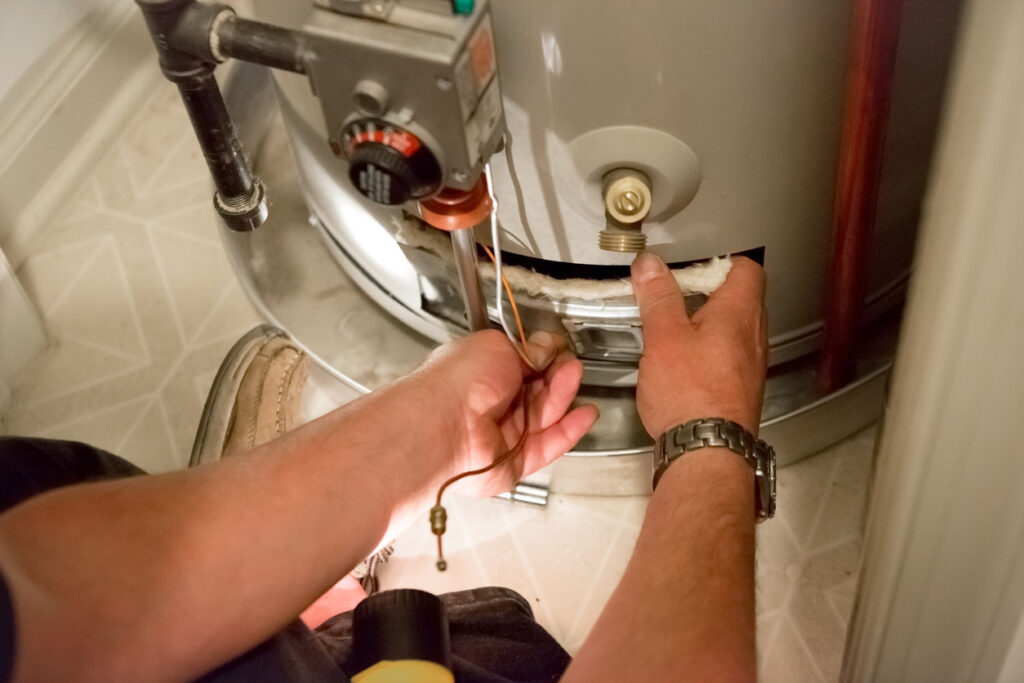
I received a call from responding plumber and given a time frame of arrival. Upon arrival the plumber listened to me and communicated to me what he will do to stop a water heater leak which he completed.
Upon completion the plumber cleaned the area he worked in and will notify the office on a follow up call and further repairs needed.
For the response and assistance in this emergency it was definitely peace of mind and a great job by Cassidy Plumbing.
I received a call from responding plumber and given a time frame of arrival. Upon arrival the plumber listened to me and communicated to me what he will do to stop a water heater leak which he completed.
Upon completion the plumber cleaned the area he worked in and will notify the office on a follow up call and further repairs needed.
For the response and assistance in this emergency it was definitely peace of mind and a great job by Cassidy Plumbing.

Andrew Ahern
2 years ago
Great experience! George was very helpful / informative throughout the whole visit.

Nancy K.
2 years ago
The office staff makes everything happen, so a big thank you to Bernadette.

BK
2 years ago
We had Cassidy plumbing hook up our new faucet and we were very happy overall.
Chris was very nice and did great plumbing work
Bernadette was great and was very accommodating
We will definitely use them again and highly recommended
Chris was very nice and did great plumbing work
Bernadette was great and was very accommodating
We will definitely use them again and highly recommended

Christopher Walsh
2 years ago
We had a problem recently with a bathtub that wouldn't drain after a bath. Cassidy Plumbing came that afternoon and fixed the problem immediately. We have had problems in the past with plumbers that take their time in solving the problem. When you have a problem you want it taken care of quickly. We are very satisfied with Cassidy and have made them our go-to plumbers. This takes a load off our minds knowing that we will have reliable service going forward with a crucial part of living space.

sheryl Zaffino
2 years ago
Bobby came first thing in the morning and within 2 hours I had water. Thank you so much Cassidy Plumbing for sending Bobby

Mike Sorbara
2 years ago
Amazing people came right on the weekend when I had a major situation. I can’t thank them enough. I will be using them for sure in the future.
I’ve been a resident at Carmel for 31 years. I will continue to use Cassidy.
I’ve been a resident at Carmel for 31 years. I will continue to use Cassidy.

Kati Mac Music
2 years ago
Love Cassidy plumbing!!

Will V
2 years ago
The services provided by Cassidy Plumbing and heating were amazing. The initial consult was quick, detailed and flexible around my schedule. George , was incredibly knowledgeable and professional which compliments the overall experience I had with Cassidy plumbing and heating.

Thomas Walsh
2 years ago
Extremely friendly and informative definitely a real professional who knew his job and made the whole experience very pleasant

Will Cass
2 years ago
On April 30, I called Cassidy Plumbing for the 1st time. Teressa asked me about my plumbing problem, I said, our Toto Toilet would not stop filling. Terresa said technician Chris will be over in the afternoon. Chris arrived, solved the toilet filling issue. As he was flush testing the toilet, Chris asked if I heard the pipes hammering? I said yes, they do that regularly. Chris asked to test the water pressure in the house and found the pressure was very HIGH.
Chris suggested he remove, clean, adjust and reattach the pressure relief valve. He did and the valve would not lower the water pressure in our house. So we had Chris install a new pressure relief valve. When Chris was done, he kept the panel open for me to check the valve the next morning. I checked, the new valve was damp (a very tiny leak). I called Cassidy Plumbing and another technician arrived with an apprentice who is learning the craft. They removed the new valve. Checked it and reseated it. Again, leaving the panel off for me to check in the morning. Well, it was damp (still leaking). I called, and Teressa sent Chris back. When he checked the new valve, Chris found the new valve had a hair line crack. So, a new, new pressure relief valve was installed and, it works just fine! And our pipes do not hammer. Through the three visits, the Cassidy Plumbing "Team" did everything needed to solve our problem. We are very pleased to have found Cassidy Plumbing to handle all our plumbing needs.
Chris suggested he remove, clean, adjust and reattach the pressure relief valve. He did and the valve would not lower the water pressure in our house. So we had Chris install a new pressure relief valve. When Chris was done, he kept the panel open for me to check the valve the next morning. I checked, the new valve was damp (a very tiny leak). I called Cassidy Plumbing and another technician arrived with an apprentice who is learning the craft. They removed the new valve. Checked it and reseated it. Again, leaving the panel off for me to check in the morning. Well, it was damp (still leaking). I called, and Teressa sent Chris back. When he checked the new valve, Chris found the new valve had a hair line crack. So, a new, new pressure relief valve was installed and, it works just fine! And our pipes do not hammer. Through the three visits, the Cassidy Plumbing "Team" did everything needed to solve our problem. We are very pleased to have found Cassidy Plumbing to handle all our plumbing needs.

Laura Wong
2 years ago
Excellent and prompt service. Communication is great.

Irvin Nursehuntley
2 years ago
Job well done! George was great!

Peter Hoey
2 years ago
Cassidy Plumbing recently replaced my Peerless oil burner. They did a beautiful job. They are prompt, skilled, and very dedicated to giving the customer the best service possible. There mechanics (John, Will) and Office Staff Teresa and Bernadette were very professional, friendly and accommodating. I highly recommend them and their pricing is very fair. Pete H.

Paul Toscano
2 years ago
Chris from Cassidy always goes the extra distance to explain what he's going to do.

Pauline Jordan
2 years ago
I had an emergency last night. Mr. Cassidy came to my home and informed me of what was needed. Joe and his crew arrived on time and did a wonderful job. They explained everything to me and my husband!!! They did a beautiful job cleaned everything up. Very very professional. I would recommend Cassidy Plumbing to everyone I know.!!!! Thank you again to Cassidy plumbing and to Joe and his crew

Caroline Ray
2 years ago
I’ve used Cassidy plumbing and heating twice now. They’ve been great about finding time for a timely repair. Will certainly use them again!

Cathy Oliva
2 years ago
Bobby from Cassidy Plumbing was polite, friendly and professional. He finished the job quickly and we have no more leak! I will definitely call Cassidy Plumbing again.

Melinda Ganeles
2 years ago
Service was exceptional- polite and well knowledgeable.

Christopher Rios
2 years ago
Great service and very friendly people. We had several projects we needed done and they did everything we needed, talked us through the process and were very fast to get to us as well. We heard of them through a recommendation, and I'll definitely recommend them myself also.

Kristina Hoti
2 years ago
The Cassidy team was great. Very efficient team in the office. Joe did great fixing our big leaking problem expeditiously. He was polite, thorough and professional. The owner Pat also stopped by and checked in to make sure everything was working out. We are very happy with the work done- they did a great job. Thank you!

Jessica Gonzalez
2 years ago
We've used Cassidy Plumbing on several occasions and each time....they are completely transparent and thorough. We found out the pipe under our tub had broken and we needed an entire new one installed. Called the after hours service on Thursday and they were able to come the very next day. George and his assistant arrived at around 12:45 and completed the entire job at around 3:00pm. Went through everything they did and where other things would possibly need repair in the near future. I trust Cassidy with our plumbing and look forward to working with them again!

Marissa Girolamo
2 years ago
My bathroom sink pipe broke last night leaving a mess and a useless sink. I called Cassidy Plumbing this morning and they were able to accommodate me quickly and we’re at my house this afternoon. George and Will arrived as scheduled. They were professional and finished the job without issue. I now have working plumbing again. Thanks!!!

Jane Knebel
2 years ago
Joe C. did an excellent job for my bathroom plumbing repair. Professional, time-efficient and courteous. Thanks!

Melanie Castro
2 years ago
We have been using Cassidy for 20 years and have never had a problem. They have always responded quickly efficiently and professionally.

Lillian Bunnell
2 years ago
If I could give it more than five stars, I would. Bernadette. Theresa, Chris and everyone else were excellent. They went beyond the call of duty. My problem was difficult and the towm and health department was involve. Cassidy plumbing did everything in their power to help.
They made some recommendations, which i followed through. Through the entire ordeal,Bernadette and Theresa kept in touch on a regular basis. I highly recommend Cassidy plumbing.
They made some recommendations, which i followed through. Through the entire ordeal,Bernadette and Theresa kept in touch on a regular basis. I highly recommend Cassidy plumbing.

P Smyth
2 years ago
We recently had a new toilet and bidet seat installed. The young men removed the old toilet very neatly and efficiently. They found the existing gasket under the toilet base needed to be replaced and took care of that. They also found that the cold water hookup had some evidence of rusting and did not line up well with the new toilet. In order to install a new line they needed to open a small access point in the ceiling of the boiler room. Once this was done, they patched the ceiling. They did a beautiful installation and showed us how the bidet functioned. The work area was spotless when they were done and they removed all of the packaging and debris. Both young men were friendly and professional. I was very comfortable having them in my house and would not hesitate to have them back to do other projects!!

Pete M
2 years ago
Cassidy Plumbing is now my first call for any plumbing issues.
I recently had a bad leak in my well water tank late on a Thursday night and put in an emergency call to Cassidy. The owner [Patrick] got back to me [via his phone while he was out of the country] and told me which valves to close and power source to stop the leak for the evening. By the time I called the office in the morning the office staff [Bernadette & Theresa] had already known about the issue, ordered and located the right tank and was able to have their staff install it the same afternoon. So....in less than 24 hrs, Cassidy Plumbing was able to get our facility up and running by Friday afternoon before the weekend. Also, the cost was within the estimate which is appreciated because there are companies who would take advantage of a customer's vulnerable situation, not Cassidy Plumbing. I highly recommend them!!
I recently had a bad leak in my well water tank late on a Thursday night and put in an emergency call to Cassidy. The owner [Patrick] got back to me [via his phone while he was out of the country] and told me which valves to close and power source to stop the leak for the evening. By the time I called the office in the morning the office staff [Bernadette & Theresa] had already known about the issue, ordered and located the right tank and was able to have their staff install it the same afternoon. So....in less than 24 hrs, Cassidy Plumbing was able to get our facility up and running by Friday afternoon before the weekend. Also, the cost was within the estimate which is appreciated because there are companies who would take advantage of a customer's vulnerable situation, not Cassidy Plumbing. I highly recommend them!!

John Fitzpatrick
2 years ago
Cassidy is professional, punctual, and clearly communicate. Thank you for guidance and repairing our corroded pipe. Thanks for installing the valve for the expansion tank too! I didn’t realize how much money that will save us in the future. 🙏🙏

Pete D
3 years ago
On behalf of the D'Amore family, (Peter and Yolanda) we would like to thank Cassidy Plumbing and their team for installing new water lines and tapping a drain for a washing machine hookup in our home. Bernadette was instrumental in arranging the service appointment, processing the building permit, and keeping in touch with us throughout the entire process. The tradesmen, Bobby and Dino, were punctual, friendly and professional. They did a great job. A shout out to Joe as well who made himself available to meet with the building inspector upon completion of the work. Thank you all for a job well done! This is our second time contracting Cassidy Plumbing but it won't be our last. They are that good!